can you still get leprosy today Leprosy does body causes disease sad look teenager belief contrary popular nerve damage lead fall parts which off make cured
Leprosy Is Not Hereditary But Can Be Transferred - Health Practitioner
When it comes to diseases, there are often many misconceptions and misunderstandings. One such disease that is shrouded in myths and misconceptions is leprosy. Contrary to popular belief, leprosy is not hereditary. It cannot be passed down from generation to generation through genes. Instead, leprosy is caused by a bacterial infection and can be transmitted and acquired by anyone, regardless of their genetic makeup.
 Understanding Leprosy
Leprosy, also known as Hansen’s disease, is a chronic infectious disease caused by the bacterium Mycobacterium leprae. It primarily affects the skin and peripheral nerves but can also damage the eyes, nose, and other organs. Leprosy is characterized by the appearance of skin lesions, loss of sensation, and nerve damage, which can lead to disabilities if left untreated.
The Misconception of Hereditary Transmission
One of the most prevalent misunderstandings about leprosy is the belief that it is hereditary. This misconception stems from a lack of knowledge about how the disease spreads. Leprosy is not passed down through genes, and having a family member with leprosy does not increase the risk of acquiring the disease.
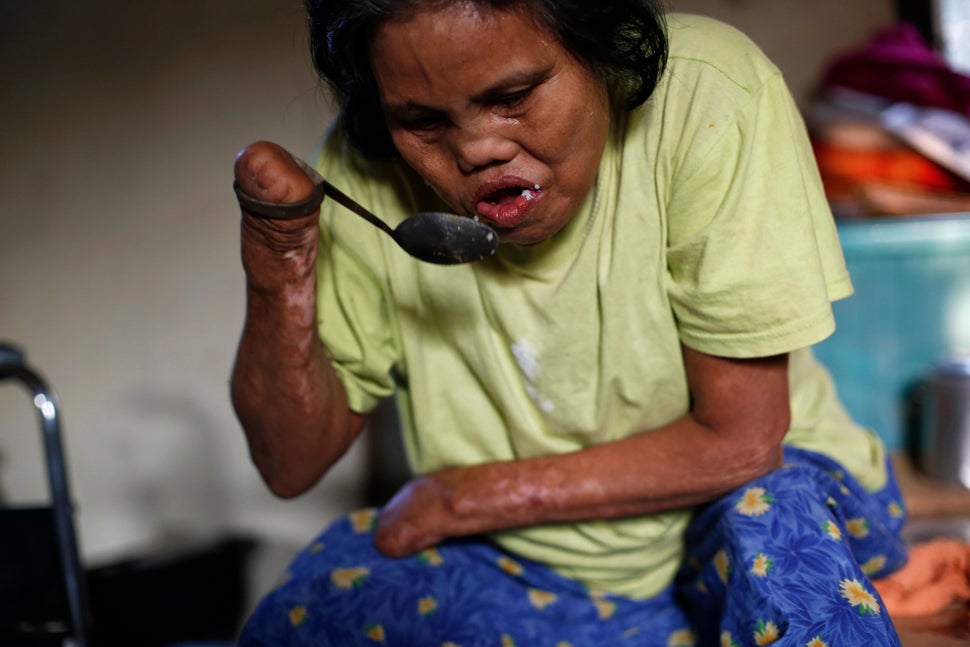 Historical Perception and Stigma
Throughout history, leprosy has been associated with fear, isolation, and stigma. Many societies have viewed leprosy as a divine punishment or a hereditary curse, leading to the ostracization of individuals affected by the disease. While these perceptions may have had deep-rooted historical significance, they are far from accurate.
Transmission of Leprosy
Leprosy is primarily transmitted through respiratory droplets when an infected person coughs or sneezes. It can also be transmitted through close and prolonged contact with an untreated individual. However, it is essential to note that not everyone who comes into contact with the bacteria will develop the disease. Factors such as the immune system’s response to the infection and genetic susceptibility play a role in disease development.
Preventing the Transmission of Leprosy
Preventing the transmission of leprosy involves early diagnosis and prompt treatment. Once diagnosed, individuals with leprosy should start taking medication prescribed by a healthcare professional. Treatment with multidrug therapy (MDT) has been highly effective in curing leprosy and preventing its transmission to others. It is crucial to complete the entire course of treatment to ensure a complete recovery and minimize the risk of relapse.
Leprosy, a Disease of Poverty
Although leprosy can affect individuals from all walks of life, it disproportionately affects those living in poverty and facing socio-economic challenges. Factors such as overcrowding, poor sanitation, and limited access to healthcare contribute to the spread and persistence of leprosy in impoverished communities.
Efforts to eliminate leprosy as a public health problem have been ongoing for decades. The World Health Organization (WHO) launched the Global Leprosy Strategy 2016–2020, targeting zero child cases and zero disability in individuals affected by leprosy. This strategy focuses on early detection, timely treatment, and inclusive approaches to reduce stigma and discrimination.
The Importance of Awareness and Empathy
It is crucial to raise awareness about leprosy and dispel the myths surrounding the disease. Understanding that leprosy is not hereditary and can affect anyone is a significant step towards combating the stigma associated with it. People living with leprosy need empathy, support, and access to quality healthcare services.
In conclusion, leprosy is not hereditary, but it can be transferred from person to person. The disease is caused by a bacterial infection and primarily affects the skin and peripheral nerves. It is crucial to dispel the misconceptions surrounding leprosy and promote accurate information to eliminate the stigma associated with the disease. Early diagnosis, prompt treatment, and awareness are pivotal in preventing the transmission of leprosy and improving the lives of those affected by it.
If you are looking for Leprosy Is Not Hereditary But Can Be Transferred - Health Practitioner you’ve visit to the right place. We have 5 Images about Leprosy Is Not Hereditary But Can Be Transferred - Health Practitioner like A Heartbreaking Look At Leprosy In 2017 | HuffPost, Leprosy Is Not Hereditary But Can Be Transferred - Health Practitioner and also Why do we still have leprosy today? - Leprosy Mission International. Here you go:
Leprosy Is Not Hereditary But Can Be Transferred - Health Practitioner
www.ghgossip.comleprosy health practitioner transferred hereditary india but disease
Leprosy: How Lepers Have Been Shunned, Reviled And Left To Die | Daily
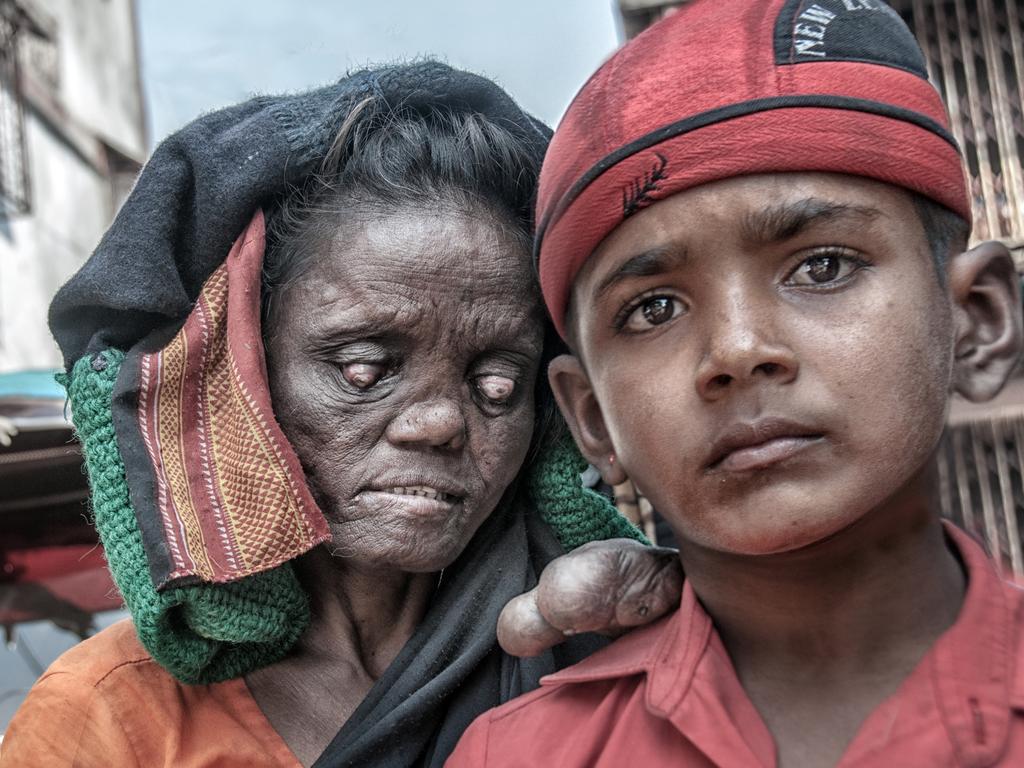
A Heartbreaking Look At Leprosy In 2017 | HuffPost
www.huffingtonpost.comleprosy does body causes disease sad look teenager belief contrary popular nerve damage lead fall parts which off make cured
UNDERSTANDING LEPROSY - Rising Star Outreach
 risingstaroutreach.orgleprosy contagious understanding disease
Why Do We Still Have Leprosy Today? - Leprosy Mission International
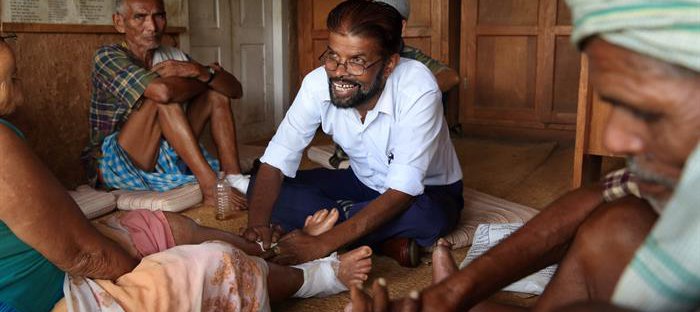 www.leprosymission.orgleprosy
Understanding leprosy. Leprosy health practitioner transferred hereditary india but disease. Why do we still have leprosy today?